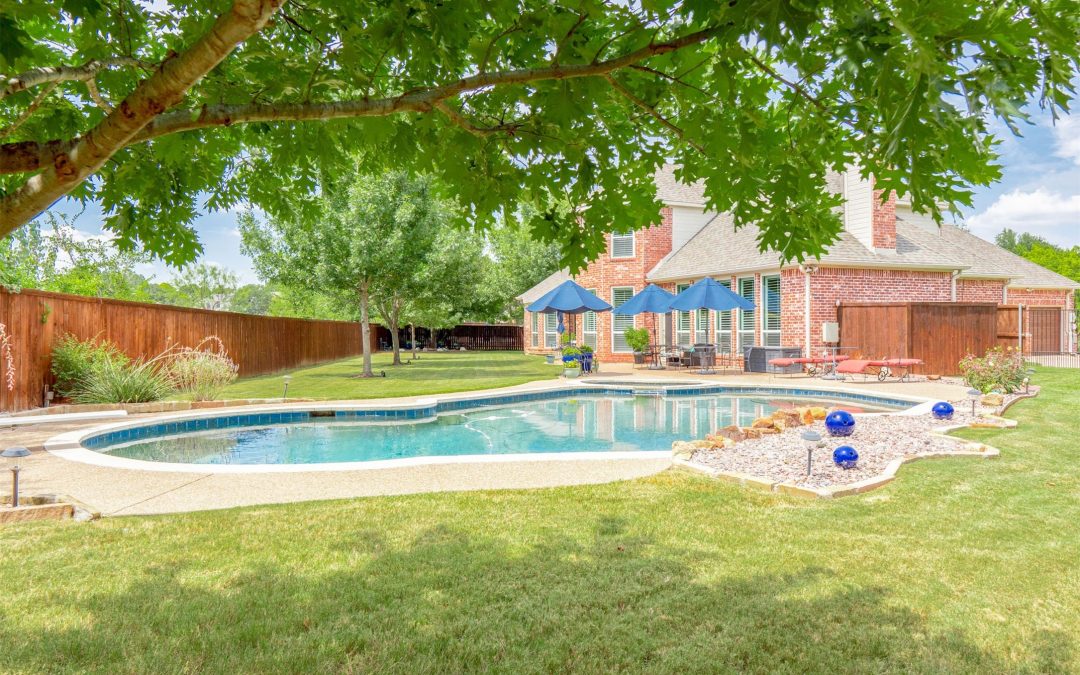
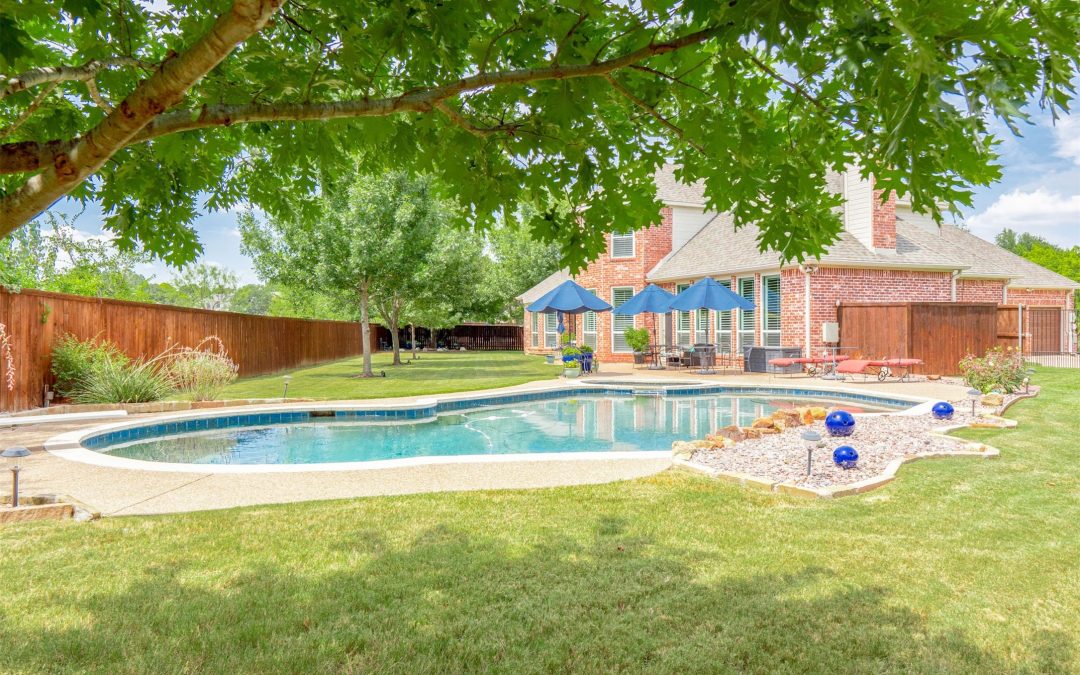
Weatherford moves at its own pace, and that pace depends heavily on what a buyer is purchasing. The city’s mix of in-town residential lots, acreage parcels, and equestrian estates means no two transactions follow the same path. A straightforward in-town home with conventional financing can close on a fairly predictable schedule. An acreage property with a well, a septic system, and a barn is a different story: inspections multiply, lenders may require additional appraisal steps, and title work on rural parcels can surface easements or survey questions that take time to resolve.
Investor buyers often move faster than primary-residence buyers, particularly those purchasing with cash or short-term bridge financing. Skipping a lender’s underwriting queue removes one of the biggest timeline variables. That said, investors eyeing Parker County acreage should account for due diligence around agricultural exemption status. A property currently carrying an ag exemption can see its tax treatment shift significantly if the qualifying land use changes after purchase, and verifying that status takes time. Buyers should confirm current exemption thresholds and eligibility rules with a local tax professional before closing.
Spring and early summer tend to bring the highest listing volume across the DFW-area market, and Weatherford is no exception. More inventory generally means more options, but it also means sellers fielding competing offers, which can compress the window between listing and contract. Buyers who arrive with financing already in place, or a clear cash position, are better positioned to act when the right property appears. Weatherford’s role as Parker County’s county seat also means title companies, lenders, and inspectors familiar with rural and equestrian properties are accessible locally, which can help keep timelines from stretching unnecessarily.
In-town residential: typically the most straightforward closing path, fewest inspection variables
Acreage and equestrian properties: expect additional inspection layers, survey review, and potentially longer lender timelines
Ag exemption status: verify qualifying land use and current exemption rules before closing on rural parcels
Cash or pre-approved buyers: better positioned to act quickly during peak spring listing season
Property tax rates: vary by applicable district overlays; confirm current figures with a local professional
Factors That Speed Up or Slow Down Closing in Parker County
Weatherford transactions don’t always follow the same rhythm as a standard suburban contract. The county seat’s mix of in-town residential, acreage parcels, and equestrian estates introduces variables that can stretch or compress a typical 30-to-45-day closing window before a buyer ever reaches the title table. Knowing which factors are in play early gives buyers and their agents more room to manage the timeline.
Acreage and equestrian properties tend to generate the most friction. Survey work on larger parcels can take longer to schedule, and title clarity on land that has changed hands across generations sometimes requires additional curative steps before a title company will insure the transaction. Ag exemption status is another variable worth checking early. Parker County parcels carrying an agricultural exemption can see a meaningful shift in effective tax burden if that status is lost at transfer, so buyers need to verify qualifying land use and understand the county’s current exemption requirements before closing rather than after. No specific exemption thresholds should be assumed without consulting a local tax advisor or the Parker County Appraisal District directly.
Lender familiarity with Parker County deal structures matters more than buyers sometimes expect. A lender experienced with rural and semi-rural Texas transactions will already understand how to underwrite properties with outbuildings, water wells, or septic systems, and that experience tends to reduce back-and-forth with the underwriting desk. Lenders less familiar with the market may request additional documentation or appraisal conditions that add days to the schedule. Investment buyers face a further layer of due diligence: verifying rental income potential, confirming applicable short-term rental regulations at the municipal level, and reviewing any HOA restrictions on the parcel. On acreage deals, the absence of an HOA is common, but that doesn’t eliminate the need to confirm deed restrictions separately.
Survey scheduling on larger parcels can add time before the title commitment is issued
Ag exemption status should be verified with the Parker County Appraisal District before closing
Title curative work on older or subdivided parcels may require additional lead time
Lender experience with rural Texas property types affects underwriting speed
Investment buyers should confirm STR regulations and deed restrictions early in the process
What Investors Should Expect
Weatherford attracts a distinct mix of investment buyers, and how an offer is structured often determines whether a deal closes on schedule. Cash offers carry obvious speed advantages in a market where acreage properties and equestrian estates can present appraisal complexity. Lenders financing investment properties typically require a full appraisal, and when the subject property sits on a larger Parker County parcel with an ag exemption in place, finding a comparable sale set that satisfies underwriting can take longer than a standard suburban transaction. Buyers financing through conventional or investment-specific loan products should build that reality into their expected timelines from the start.
Inspection periods deserve the same attention. In-town Weatherford properties and historic-downtown-adjacent homes may surface deferred maintenance or older systems that a standard inspection period handles comfortably. Acreage and ranch-style properties often warrant additional due diligence: well and septic inspections, fence and outbuilding assessments, and a review of any agricultural exemption status that could affect the property’s tax treatment under current Parker County rules. Sellers of working ranch properties sometimes push back on extended contingency windows, so arriving at the table with a clear inspection scope and a responsive inspector matters.
Title work in Parker County has its own considerations, particularly when mineral rights, easements, or prior agricultural use are part of the picture. Working with a title company that handles Parker County transactions regularly, and pairing that with a lender who understands the county’s property types, reduces the chance of a late-stage surprise. Weatherford’s market spans everything from in-town residential to equestrian estates, and a professional team with genuine local experience in that range is worth identifying before an offer goes in, not after.
Cash offers can simplify appraisal complexity on larger Parker County parcels
Financed investment purchases should account for extended appraisal timelines on acreage and equestrian properties
Inspection scope on rural properties often extends beyond a standard home inspection
Ag exemption status affects tax treatment and should be verified before closing
Title companies and lenders with Parker County experience reduce late-stage transaction risk
Ready to find your dream home in Weatherford? Contact Anita Ice today to get started!
Real estate investing is not only about finding a property and making a purchase. Successful investing also requires patience, research, financial discipline, and the ability to evaluate opportunities objectively.
An investor mindset can help you focus on long-term goals rather than short-term market reactions. By understanding risk, analyzing numbers, and staying prepared for changing conditions, you can make more informed real estate investment decisions.
What Is an Investor Mindset?
An investor mindset is an approach that focuses on evaluating opportunities based on facts, financial goals, risk, and long-term potential.
Instead of making decisions based primarily on emotions or market headlines, investors can look at income potential, expenses, financing, property condition, market conditions, and potential risks.
This approach does not guarantee a successful investment, but it can create a more structured decision-making process.
Focus on the Numbers
Real estate investments should be supported by careful financial analysis. Purchase price is only one part of the equation.
Investors should consider potential rental income, operating expenses, property taxes, insurance, maintenance, property management, financing costs, vacancy assumptions, and other expenses.
Depending on the investment strategy, investors may also evaluate cash flow, capitalization rate, return on investment, and potential appreciation.
Understanding the numbers can help you determine whether a property fits your investment strategy.
Think Long Term
Real estate investing often requires a long-term perspective. Market conditions can change, and property values may fluctuate over time.
Instead of focusing on short-term price movements, consider the property’s potential over your intended investment period.
Think about factors such as income potential, operating costs, financing terms, property improvements, market fundamentals, and future demand.
A long-term approach can help investors remain focused on their overall strategy when market conditions change.
Understand Risk Before Investing
Every investment carries risk. Real estate is no exception.
Potential risks can include vacancies, unexpected repairs, changing interest rates, rising operating expenses, market fluctuations, regulatory changes, and financing challenges.
Understanding these risks before purchasing a property can help investors prepare for different scenarios.
A strong investment plan should account for unexpected costs rather than assuming everything will go according to plan.
Avoid Emotional Decisions
Real estate can be an emotional investment. A property may look attractive, have appealing features, or appear to offer an exciting opportunity.
However, an attractive property is not automatically a strong investment.
Investors should separate personal preferences from financial analysis. Ask whether the property makes sense based on the investment strategy, numbers, risks, and expected performance.
Taking time to evaluate an opportunity can be more valuable than rushing because of fear of missing out.
Keep Learning
Real estate markets, financing conditions, regulations, technology, and investment strategies continue to evolve.
Successful investors make ongoing education part of their process. Market reports, financial resources, professional education, industry publications, and conversations with qualified professionals can all provide useful information.
The goal is not to predict every market change. It is to stay informed enough to make thoughtful decisions.
Build a Strong Financial Foundation
An investor mindset also involves understanding your own financial position.
Before purchasing an investment property, consider available capital, financing options, cash reserves, existing obligations, and expected investment expenses.
Maintaining adequate reserves can help investors handle unexpected repairs, vacancies, or changes in operating costs without placing unnecessary pressure on their finances.
Look for Opportunities, Not Just Properties
A property is only an investment opportunity when the numbers and strategy support the purchase.
Instead of asking only whether a property looks appealing, consider questions such as:
Does the property generate sufficient income?
Are the operating expenses reasonable?
Does the financing structure make sense?
What improvements may be needed?
What risks should be considered?
Does the investment align with your long-term goals?
These questions can help create a more objective evaluation process.
Have a Clear Investment Strategy
Different real estate strategies require different approaches. Some investors focus on rental income, while others may consider property appreciation, redevelopment, commercial real estate, or other opportunities.
Knowing your strategy can help determine which properties deserve further consideration.
A clear strategy can also help you avoid investments that do not match your financial objectives, even when they appear attractive at first.
Be Patient and Prepared
Not every property will be the right investment. Sometimes the best decision is to wait until an opportunity meets your criteria.
Patience does not mean ignoring the market. It means staying prepared so you can act when an opportunity fits your strategy.
Having financing in place, understanding your investment criteria, monitoring the market, and maintaining financial flexibility can help you respond when the right opportunity appears.
Review Your Investment Decisions
An investor mindset includes learning from past decisions.
After completing an investment, review the original assumptions and compare them with actual performance. Consider what worked well, what changed, and what could be improved.
This process can help refine your investment strategy over time and make future decisions more informed.
The Bottom Line
Developing an investor mindset can help you approach real estate with greater discipline and clarity. Research, financial analysis, risk management, patience, and continuous learning are all important parts of the process.
Real estate investing does not have a guaranteed outcome, and every property comes with its own opportunities and risks. By evaluating investments carefully and keeping your long-term goals in focus, you can build a more thoughtful approach to real estate investing.
Build your dream home on this beautiful 2-acre corner lot in Windmill Creeks Subdivision. Featuring gently rolling hills and scenic views, this property offers an excellent homesite with plenty of room to create your ideal country retreat. The lot has already had excavation work completed, helping you get a head start on construction. Use our builder or you can bring your own custom builder. Enjoy the freedom of no HOA while benefiting from subdivision restrictions that maintain the area’s appeal, including no mobile homes allowed. With its spacious corner location and endless possibilities, this property is ready for your vision.
Motivated Seller. Beneath a canopy of mature trees on a quiet cul-de-sac in the prestigious Stone Lakes Addition, this exceptional 3809-square-foot home presents an outstanding opportunity to create your dream residence. From the well thought out floor plan to the rounded staircase plus add the three bedrooms upstairs with a dedicated living area with views overlooking the ranch behind the house, You will want to make this home your own. One of the home’s standout features is the POOL, come beat the heat, in this stunning outdoor retreat ready for immediate enjoyment. The expansive backyard provides plenty of room for recreation, outdoor gatherings with two separate patio areas, outdoor sounds system, and the pool complete with diving board. Don’t miss out on playing and celebrating everyday with family and friends in the backyard oasis. The home also includes, three living areas, two dining areas, and a large open-concept kitchen with lots of cabinets, perfect for entertaining and everyday living. The primary suite, study, kitchen, breakfast area, and family room all enjoy beautiful views of the pool and backyard, providing both peace of mind and seamless indoor-outdoor living. With no one who lives behind the home. Backs up to a 33 acre ranch. An attached three-car garage and extended driveway offer abundant parking. Life in Stone Lakes extends far beyond your front door. Residents enjoy an exceptional collection of neighborhood amenities, including scenic lakeside walking trails, tennis courts, basketball courts, a community playground, and a neighborhood pool. The nearby Carroll ISD Aquatics Center offers additional opportunities for recreation and fitness. This is a rare opportunity to own a spacious home in one of Southlake’s most sought-after neighborhoods while adding your own vision. With an unbeatable location, outstanding floor plan, fresh paint, plantation shutters through out. And many many more amenities come make this beautiful home your own.
Motivated Seller. Beneath a canopy of mature trees on a quiet cul-de-sac in the prestigious Stone Lakes Addition, this exceptional 3809-square-foot home presents an outstanding opportunity to create your dream residence. From the well thought out floor plan to the rounded staircase plus add the three bedrooms upstairs with a dedicated living area with views overlooking the ranch behind the house, You will want to make this home your own. One of the home’s standout features is the POOL, come beat the heat, in this stunning outdoor retreat ready for immediate enjoyment. The expansive backyard provides plenty of room for recreation, outdoor gatherings with two separate patio areas, outdoor sounds system, and the pool complete with diving board. Don’t miss out on playing and celebrating everyday with family and friends in the backyard oasis. The home also includes, three living areas, two dining areas, and a large open-concept kitchen with lots of cabinets, perfect for entertaining and everyday living. The primary suite, study, kitchen, breakfast area, and family room all enjoy beautiful views of the pool and backyard, providing both peace of mind and seamless indoor-outdoor living. With no one who lives behind the home. Backs up to a 33 acre ranch. An attached three-car garage and extended driveway offer abundant parking. Life in Stone Lakes extends far beyond your front door. Residents enjoy an exceptional collection of neighborhood amenities, including scenic lakeside walking trails, tennis courts, basketball courts, a community playground, and a neighborhood pool. The nearby Carroll ISD Aquatics Center offers additional opportunities for recreation and fitness. This is a rare opportunity to own a spacious home in one of Southlake’s most sought-after neighborhoods while adding your own vision. With an unbeatable location, outstanding floor plan, fresh paint, plantation shutters through out. And many many more amenities come make this beautiful home your own.
Running a real estate business involves much more than buying, selling, or managing properties. Behind every successful transaction is a strong operational system that keeps communication, documents, marketing, finances, and client service organized.
Efficient business operations can help real estate professionals save time, reduce errors, improve the client experience, and create a more consistent workflow.
Understanding Business Operations in Real Estate
Business operations include the daily processes that keep a real estate business moving. These processes can cover administrative work, transaction management, marketing, accounting, technology, communication, and customer service.
A well-organized operation helps ensure that important tasks are completed on time and responsibilities remain clear.
Create Clear and Consistent Workflows
Real estate transactions involve multiple steps and deadlines. Without a clear workflow, important details can be overlooked.
Start by documenting common processes from the initial client contact through transaction completion. Having a defined process for onboarding, listing preparation, marketing, contracts, inspections, appraisals, closing, and follow-up can make daily operations easier to manage.
Repeatable workflows also make it easier to identify delays and improve processes over time.
Use Technology to Improve Efficiency
Technology can simplify many routine tasks within a real estate business. Customer relationship management systems, transaction management platforms, accounting software, digital signature tools, and scheduling applications can reduce repetitive administrative work.
Automation can also support follow-up messages, appointment reminders, document organization, task notifications, and marketing schedules.
The goal is not to automate every part of the business. Instead, technology should handle repetitive tasks while professionals remain focused on communication, relationships, and important decisions.
Keep Communication Organized
Clear communication is an important part of effective real estate operations. Transactions can involve multiple conversations, documents, appointments, and deadlines.
Establishing consistent communication practices can help keep information organized. Using appropriate systems for email, messaging, calls, and transaction updates can also make it easier to track important details.
Organized communication can improve efficiency while helping create a more consistent client experience.
Protect Business Documents and Information
Real estate businesses often handle contracts, financial information, identification documents, property records, and other sensitive materials.
Important information should be stored using secure systems. Access should be limited to authorized individuals, and account permissions should be reviewed regularly.
Reliable backups and appropriate data protection practices can also help reduce the risk of losing important business information.
Manage Business Finances Carefully
Financial management is another important part of real estate operations. Accurate records can help a business understand its income, expenses, cash flow, and overall performance.
Regularly reviewing business expenses can also reveal areas where costs may be reduced, or resources can be used more effectively.
A clear financial process gives business owners better information when making decisions about marketing, staffing, technology, and future growth.
Develop a Consistent Marketing Process
Marketing works best when it is supported by a reliable process. Real estate businesses may manage website content, property marketing, social media, email campaigns, photography, and other promotional activities.
A content calendar can help organize marketing activities and maintain consistency. Establishing a process for creating, reviewing, approving, publishing, and measuring content can also reduce last-minute work.
Regular performance reviews can help determine which marketing activities are producing useful engagement and business opportunities.
Measure Business Performance
Effective operations require more than completing daily tasks. It is also important to understand how well those processes are working.
Real estate professionals can track metrics such as lead response time, conversion rates, transaction volume, marketing costs, client retention, and overall revenue.
Reviewing these numbers regularly can reveal patterns and highlight areas that may need improvement.
Delegate Tasks When Appropriate
As a real estate business grows, managing every responsibility alone can become difficult. Delegating appropriate administrative, marketing, transaction, or bookkeeping tasks can free up time for higher-value responsibilities.
Successful delegation starts with clearly defined responsibilities. Written procedures and shared workflows can help ensure that delegated tasks are completed consistently.
Review and Improve Your Processes
Business operations should not remain unchanged as a company grows. Tools, responsibilities, client expectations, and transaction volume can all change over time.
Regular operational reviews can help identify tasks that take too much time, processes that create repeated errors, and opportunities for automation or delegation.
Even small improvements can make daily operations more efficient.
Build a Strong Foundation for Growth
Efficient business operations can provide a strong foundation for a growing real estate business. Clear workflows, organized communication, reliable technology, sound financial practices, and consistent marketing can make it easier to manage daily responsibilities.
The objective is not simply to work faster. It is to create systems that support better organization, consistent service, and sustainable business growth.
If you’ve put your moving plans on hold, now might be the perfect time to reconsider. Here’s why you should hit play on your plans and move forward.
1. The Real Estate Market is Shifting
The real estate market is always changing, and conditions could be in your favor now. Whether it’s higher home values or more favorable interest rates, it’s worth re-evaluating your situation to see if now is a good time to buy or sell.
2. Interest Rates Might Rise Again
Interest rates have been fluctuating, and while they may not stay low forever, now could be your chance to lock in a favorable rate. Waiting too long might mean higher borrowing costs down the line, making it smarter to move now.
3. Increased Buyer Demand in Spring
Spring is a busy time in real estate, and more buyers are looking for homes. Listing your property now could lead to increased demand, helping you sell quicker and at a better price.
4. Financial and Job Stability
If your financial situation has improved, now is a great time to start planning your move. Whether it’s a new job or financial security, being stable gives you the confidence to make a big decision.
5. Personal Life Changes
Life events like starting a family, getting married, or a career move can signal it’s time for a new home. If your current space no longer suits your needs, it could be the right time to make a change.
6. Housing Inventory is Increasing
As the market picks up, more homes will be available to buy, giving you more choices and the chance to find the perfect place.
Conclusion: Time to Take Action
If you’ve been waiting for the right moment, now could be it. With improving market conditions, increased demand, and a greater inventory of homes, this is a great time to hit play on your moving plans. Take a fresh look at your options and make your next move with confidence.
Sign up today and receive email alerts of new listings the moment they hit the market.
Get The Jump On Real Estate Deals
Sign up today and receive email alerts of new listings the moment they hit the market.
This site uses cookies and related technologies for site operation, analytics, and for a better understanding of how visitors use the site. If you do not want the site to target ads, you can decline, and in that case only cookies required for the website to work properly will be used.